
Montgomery County Homeowners Address Slope Navigation Challenges Through Properly Designed Step Installations
Magnolia, United States – January 30, 2026 / Outdoor Perfection Landscaping /
Properties with grade changes force homeowners to decide between accepting awkward slope navigation or investing in structured access solutions. Worn dirt paths down slopes create erosion, become slippery when wet, and look increasingly ragged over time. Avoiding sloped areas entirely limits usable outdoor space and creates inaccessible landscape zones. Installing properly designed steps transforms problematic slopes into safe, attractive transitions that expand property functionality and improve daily outdoor movement. Understanding outdoor step installation benefits helps property owners recognize when elevation changes warrant structured solutions and how thoughtful design prevents common problems that plague poorly planned installations.
When Slopes Create Real Problems for Properties
Many homeowners initially underestimate how slope navigation affects their outdoor space usage patterns and property safety. Gentle grades that seem manageable during initial property tours become frustrating obstacles during actual daily living. Carrying items up or down slopes, navigating after rain when grass becomes slick, and watching children or elderly family members struggle with uneven terrain eventually motivates property owners to seek permanent solutions.
Erosion represents one of the most persistent slope problems. Every rainfall sends water rushing down grades, carrying soil with it and creating channels that deepen over time. Bare spots develop where foot traffic wears away grass. The constant soil loss undermines plantings, creates muddy runoff that flows toward structures, and leaves slopes looking damaged and unkempt. Property owners find themselves repeatedly adding soil, reseeding grass, and fighting erosion battles they never win permanently.
Safety concerns intensify as slopes deteriorate. Wet grass on slopes becomes treacherous, particularly for children running through yards or elderly family members navigating outdoor spaces. The lack of handrails or stable footing increases fall risks that many homeowners accept reluctantly until accidents occur. Properties with slopes between entertainment areas and pools create particular hazards because people carrying items or supervising children cannot safely navigate grades while distracted.
Access limitations reduce how fully homeowners use their properties. Slopes between main living areas and attractive backyard zones discourage frequent movement between spaces. Garden areas become neglected because accessing them requires uncomfortable scrambling. Pool areas see less use when reaching them involves awkward slope navigation. The psychological barrier created by difficult access affects property enjoyment more than many homeowners initially recognize.
Maintenance challenges compound over time. Mowing slopes requires special equipment or dangerous maneuvering with standard mowers. Edging, fertilizing, and general landscape care become more difficult and time-consuming on grades. Property owners either spend excessive time managing slope maintenance or watch these areas deteriorate because they avoid the unpleasant work.
How Outdoor Steps Transform Property Function and Safety
Installing outdoor steps eliminates the ongoing problems slopes create while opening new possibilities for landscape design and property use. Steps provide consistent, predictable footing that removes the uncertainty of slope navigation. Users gain confidence moving between elevation levels because each step offers stable, level surface area and regular spacing that bodies naturally accommodate.
The erosion battle ends when steps replace exposed slopes. Structured treads and risers prevent water from channeling down grades, distributing runoff more evenly and reducing soil loss dramatically. Surrounding areas benefit from reduced sediment flow and more stable ground conditions. Property owners stop fighting constant repair cycles and redirect energy toward actually enjoying outdoor spaces.
Safety improvements extend throughout properties once steps address elevation changes. Families with young children gain peace of mind knowing kids can move between yard zones without slip hazards. Elderly family members or guests with mobility concerns navigate properties more confidently when steps provide stable access with options for handrail integration. Properties with pools see safety benefits when clear, stable paths replace awkward slopes that contributed to trip and fall risks.
Step installations expand usable outdoor space by making previously difficult areas genuinely accessible. Garden zones that received minimal attention due to slope access become regularly visited areas where property owners actually spend time. Entertainment spaces on different property levels connect functionally rather than existing as isolated zones. The psychological shift from viewing slopes as obstacles to experiencing them as integrated landscape features changes how homeowners interact with their entire properties.
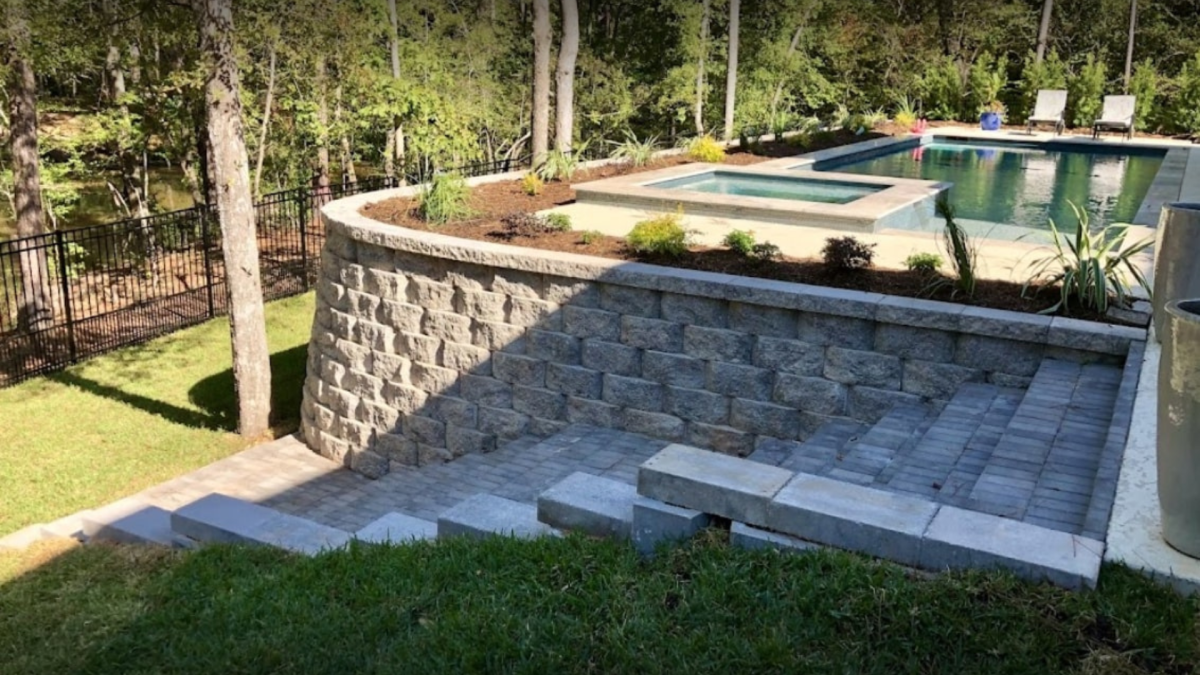
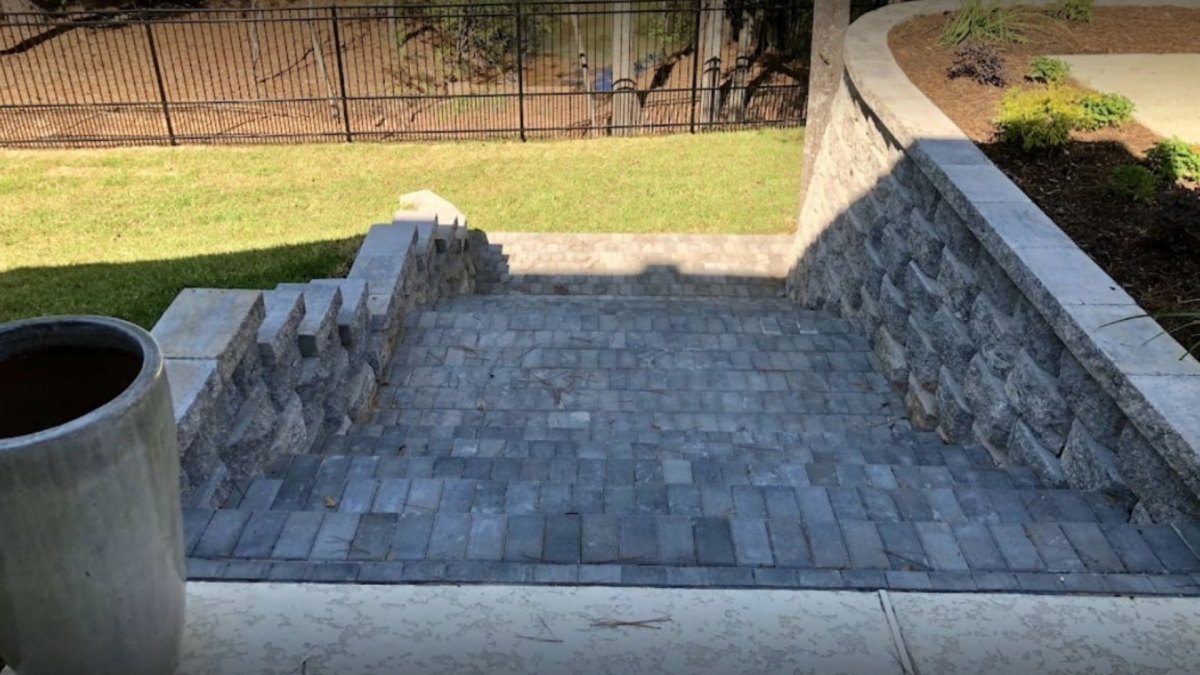
Outdoor steps integrate naturally with comprehensive landscape improvements that enhance outdoor living. Steps provide logical connection points between paver patios at different elevations, link pool areas to main entertainment zones, and create access to garden beds built into slopes using seating and retaining walls. The structured transitions steps provide allow landscape designers to use elevation changes as design opportunities rather than problems requiring mitigation.
Planning Step Projects Within Complete Landscape Visions
Successful step installations require understanding how elevation changes fit within broader landscape goals and daily property use patterns. Outdoor Perfection Landscaping evaluates step needs within complete outdoor environment contexts where multiple features work together to create functional, attractive spaces. Landscape design and installation projects that address slopes often combine steps with retaining walls that stabilize surrounding areas, plantings and softscapes that frame transitions, and pathway lighting that extends step usability into evening hours.
The relationship between steps and surrounding landscape elements affects both aesthetics and function. Steps placed without considering adjacent plantings may require ongoing trimming to prevent vegetation from obscuring treads. Step locations that ignore drainage patterns can channel water in ways that damage other landscape features or create new problems. Thoughtful planning ensures steps enhance rather than complicate overall landscape performance.
Design decisions about step placement, width, and integration with existing features significantly impact long term satisfaction. Steps positioned for shortest distance may not align with natural circulation patterns that develop through actual property use. Narrow steps save materials but create bottlenecks during gatherings or when moving items between levels. Width, landing size, and alignment choices made during planning affect property usability for decades.
Practical Considerations for Montgomery County Properties
Texas soil conditions and weather patterns influence how step installations perform over time. Clay soils common throughout the region shift with moisture changes, creating movement that step structures must accommodate. Proper base preparation and foundation work ensure steps remain stable despite soil conditions that challenge many landscape features. Properties with particularly challenging drainage or soil composition require additional planning to prevent settling or shifting that compromises safety and appearance.
Lighting integration transforms steps from daytime-only features into safe access routes after dark. Outdoor step lighting prevents accidents during evening entertaining, allows property owners to access all landscape zones regardless of hour, and adds visual interest to nighttime property appearance. Planning electrical infrastructure during initial step installation proves far easier than retrofitting lighting later. Step projects in areas like The Woodlands and surrounding communities benefit from coordinated planning that addresses both structural and lighting needs from project outset.
Transparent Communication About Site Specific Challenges
Every property presents unique conditions that affect step installation approach and outcomes. An established provider serving Montgomery County discusses site-specific factors honestly during planning conversations, explaining how soil conditions, drainage patterns, existing structures, and property use expectations influence design recommendations. Transparent communication about what installations can realistically achieve prevents misunderstandings and ensures property owners make informed decisions.
Accessibility for questions throughout planning and after installation demonstrates commitment beyond initial project completion. Property owners appreciate straightforward guidance about maintenance expectations, seasonal considerations, and how step installations will age over time.
Avoiding Problems Through Proper Planning
Accepting awkward slope navigation postpones inevitable safety incidents, allows erosion damage to worsen, and limits outdoor space functionality that initial property investments intended to provide. Property owners who delay addressing elevation challenges often face more extensive corrections later when deterioration affects surrounding landscape features or when accidents finally force action. Evaluating step needs early in landscape improvement planning prevents compounding problems and creates outdoor spaces that genuinely serve daily living patterns rather than presenting ongoing obstacles.
Outdoor Perfection Landscaping provides guidance for Montgomery County homeowners evaluating whether properties would benefit from structured slope solutions. The company serves Magnolia, The Woodlands, Montgomery, Houston, and Fulshear areas with landscape services including design, installation, and support for residential outdoor projects. Property owners interested in discussing slope challenges can reach the company at 936-301-1158.

Contact Information:
Outdoor Perfection Landscaping
27612 FM 2978 Rd
Magnolia, TX 77354
United States
Contact Outdoor Perfection Landscaping
(936) 301-1158
https://outdoorperfectionlandscaping.com/


Original Source: https://outdoorperfectionlandscaping.com/media-room/#/media-room
