
Artistic Landscape Features Addresses Design, Layout, and Material Selection Decisions
Ewing Township, United States – January 30, 2026 / Artistic Landscape Features /
Artistic Landscape Features has published educational content addressing outdoor kitchen planning for residential properties in central New Jersey and eastern Pennsylvania. The resource provides guidance on space requirements, material selection, layout considerations, integration with existing outdoor areas, and realistic assessment of how homeowners will use outdoor cooking spaces.
The company’s content on durable materials for outdoor kitchens examines factors affecting long-term performance in regional climate conditions including freeze-thaw cycles, humidity, and temperature extremes experienced throughout Princeton, Hopewell, Pennington, Robbinsville, Tinton Falls, Yardley, and surrounding areas.
Common Planning Misconceptions
Homeowners considering outdoor kitchens frequently overestimate how they will use the space or underestimate the area required for functional layouts. Outdoor kitchen projects that disappoint often stem from misalignment between imagined use and actual behavior patterns, inadequate space allocation for comfortable movement and food preparation, material selections that don’t withstand regional weather conditions, and insufficient consideration of how the outdoor kitchen relates to indoor spaces and existing outdoor areas.
Properties throughout central New Jersey vary significantly in available space, existing hardscape features, proximity to indoor kitchens, and typical entertaining patterns. What works beautifully for one household may prove impractical for another based on these variables. Understanding your specific situation before committing to design details prevents expensive modifications or underutilized features.
The most satisfied homeowners tend to be those who honestly assessed their cooking habits, entertaining frequency, and maintenance willingness before finalizing plans. A well-designed basic outdoor kitchen that gets used regularly provides more value than an elaborate setup that remains largely dormant.
Space and Layout Requirements
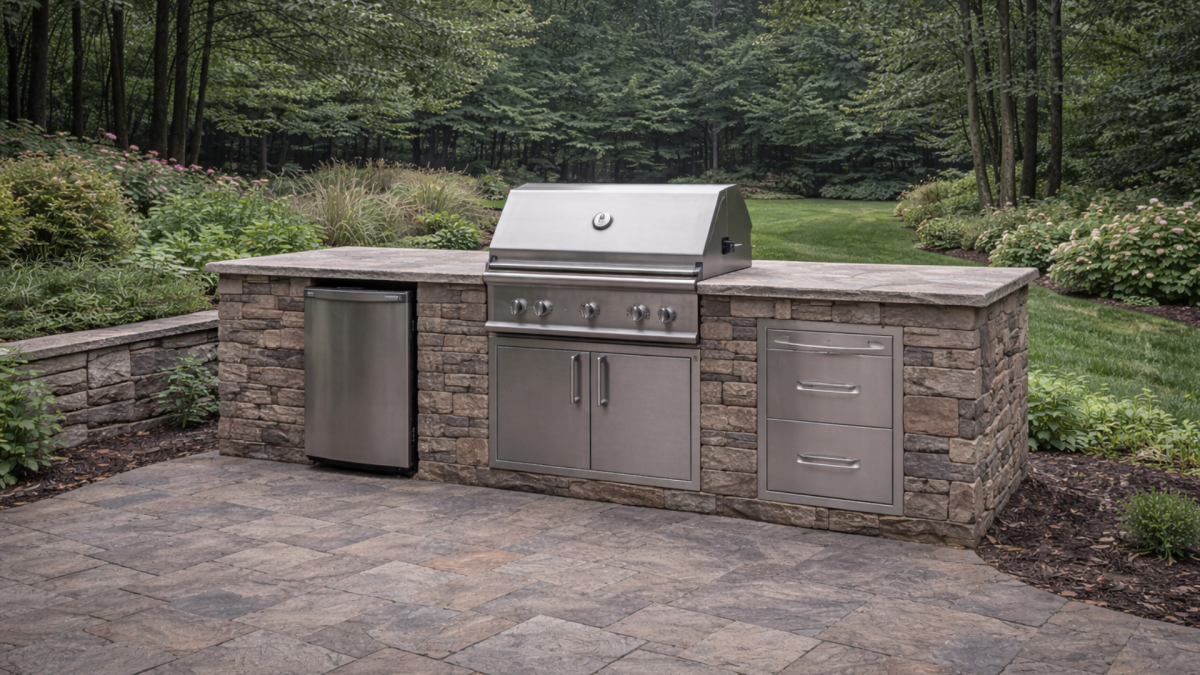
Outdoor kitchens require more space than most homeowners initially estimate. A functional layout needs room for the cooking appliances themselves, counter space for food preparation and plating, circulation space for the cook to move comfortably, clearance around appliances for safe operation, and transition zones between cooking and dining or gathering areas.
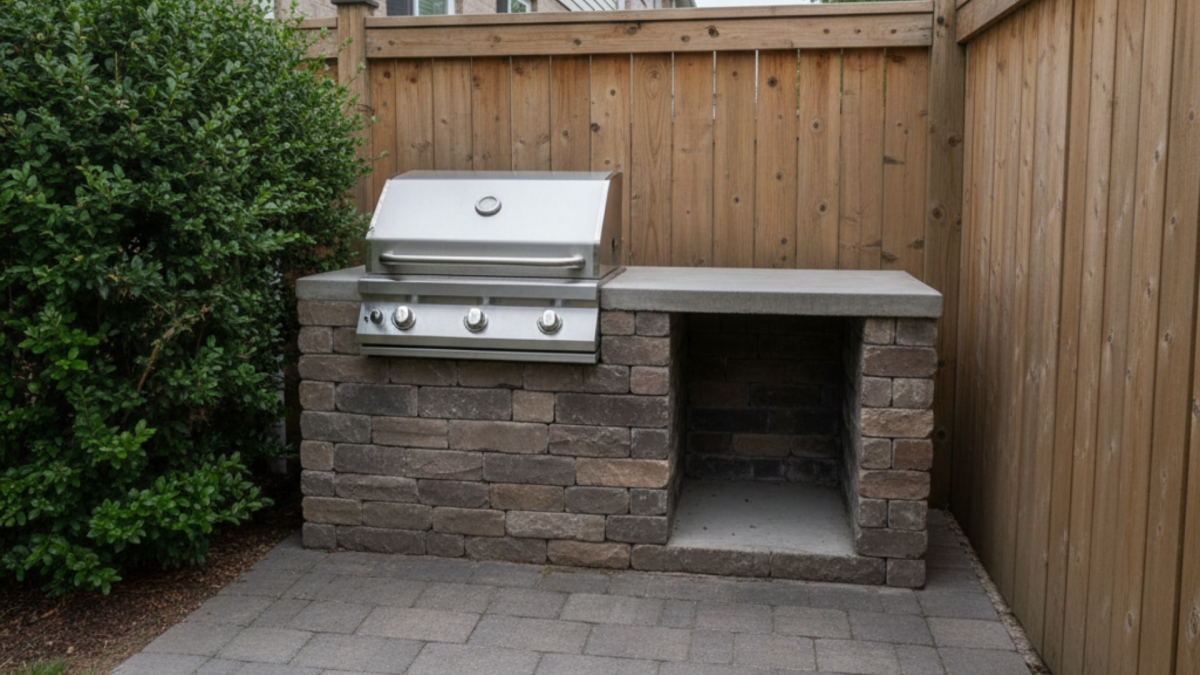
For properties where space constraints exist, prioritizing essential elements over comprehensive features often produces better results. A high-quality grill with adequate counter space on both sides, appropriate storage below, and good lighting may serve household needs better than attempting to compress too many features into insufficient area.
Counter height, depth, and total linear footage affect functionality significantly. Standard counter height of 36 inches works for most users. Counter depth of 24 to 30 inches provides adequate workspace without excessive protrusion. Total counter length depends on intended use, but 8 to 10 feet of usable counter space accommodates most cooking and preparation activities comfortably.
The relationship between outdoor kitchen location and indoor kitchen matters practically. Convenient access reduces trips for forgotten items, supplies, and food transport. However, locating outdoor kitchens too close to the house can create smoke and heat issues. Finding appropriate balance requires considering prevailing wind patterns, door and window locations, and typical movement patterns around the property.
Material Selection for Regional Conditions
Central New Jersey’s climate poses specific challenges for outdoor kitchen materials. Freeze-thaw cycles affect stone and concrete products. Humidity promotes rust and corrosion on metal components. Summer heat and winter cold create expansion and contraction that can damage improperly selected or installed materials.
Material performance in local climate conditions becomes clearer through experience with regional installations. Properties served by businesses familiar with area weather patterns benefit from that accumulated knowledge when selecting counters, cabinets, and structural components that must withstand years of seasonal exposure.
Counter surfaces require durability, weather resistance, and appropriate maintenance characteristics. Natural stone such as granite provides excellent durability and heat resistance but requires periodic sealing. Concrete in various finishes can be customized but needs proper sealing. Tile surfaces offer design flexibility but grout lines require maintenance attention.
Cabinet and storage components face direct weather exposure unlike their indoor counterparts. Marine-grade materials, stainless steel construction, and weather-resistant composites provide longevity that standard indoor cabinetry cannot match. Drainage provisions within cabinets prevent water accumulation that causes deterioration.
The paver patio or base supporting the outdoor kitchen must handle weight loads from masonry components, appliances, and stone counters. Proper base preparation, appropriate paver selection, and adequate edge restraint prevent settling, shifting, or cracking that compromises the installation.
Integration with Outdoor Living Spaces
Outdoor kitchens function as components within larger outdoor environments rather than isolated features. Successful installations consider how the cooking area relates to dining spaces, seating areas, fire pits or outdoor fireplaces, traffic flow patterns, and existing landscape features.
Dining areas located near but not immediately adjacent to outdoor kitchens work well. Proximity keeps food service convenient while separating dining guests from cooking activities and heat. The space between cooking and dining areas might include serving counters, beverage stations, or transition zones that connect the areas functionally.
Outdoor lighting for cooking areas requires task lighting over work surfaces, ambient lighting for evening use, and safety lighting for pathways and steps. Layered lighting systems accommodate different activities and create comfortable environments for both cooking and entertaining after dark.
Wind patterns affect outdoor kitchen function significantly. Prevailing winds can blow smoke toward unintended areas, make it difficult to maintain grill temperatures, and create uncomfortable conditions for cooks. Natural windbreaks including plantings and softscapes, fencing, or retaining walls can modify wind effects.
Realistic Use Assessment
The most important planning step involves honest evaluation of how you will actually use an outdoor kitchen. Consider your current cooking habits, typical entertaining frequency and style, willingness to cook outdoors in various weather conditions, and maintenance commitment for outdoor features.
Households that grill regularly throughout warm months likely benefit from outdoor kitchen investment. Those who entertain frequently and enjoy cooking as part of the experience find value in expanded outdoor cooking capabilities. Conversely, families who rarely use their existing grill or primarily entertain with catered food may find elaborate outdoor kitchens remain underutilized.
Weather tolerance varies among individuals. Some people enjoy outdoor cooking in cool spring and fall weather, extending the use season significantly. Others prefer outdoor cooking only during peak summer months. Maintenance requirements for outdoor kitchens exceed those of simple grills. Counters need cleaning and periodic sealing. Storage areas require organization and protection from weather and pests.
Budget Planning Considerations
Outdoor kitchen costs vary dramatically based on size, materials, features included, site conditions, and existing infrastructure. Basic installations with quality grill, modest counter space, and simple storage begin at one level, while comprehensive setups with multiple cooking appliances, extensive counters, premium materials, and integrated features reach substantially higher investment levels.
Site preparation costs depend on existing conditions. Properties with established paver patios may need only modest expansion. Those requiring new patio construction, drainage and grading work, or utility access preparation face additional expenses before outdoor kitchen construction begins.
Phased implementation allows homeowners to spread costs while maintaining design coherence. Initial phase might include patio expansion and basic outdoor kitchen infrastructure. Subsequent phases could add features, expand counter space, or enhance lighting and surrounding landscape elements.
Design and Planning Services
Artistic Landscape Features provides outdoor kitchen design and installation services for residential properties throughout central New Jersey and eastern Pennsylvania. Projects begin with property assessment and client consultation to understand intended use, space availability, budget parameters, and integration with existing outdoor features.
Design renderings illustrate proposed layouts, material appearances, spatial relationships, and connections to surrounding areas. Installation services incorporate paver patios and walkways that provide stable bases for outdoor kitchen structures, outdoor lighting systems designed for task and ambient illumination, and integration with related features including fire pits, wood decks, or outdoor fireplaces when appropriate to overall design.
Planning Resources for Property Owners
The outdoor kitchen planning guidance addresses common decision points homeowners face when considering these features. Topics include honest use assessment, space allocation, material comparison for regional conditions, layout considerations, budget planning approaches, and integration with existing outdoor spaces.
Artistic Landscape Features remains available to discuss specific property conditions and outdoor kitchen planning with homeowners throughout central New Jersey and eastern Pennsylvania. The company can be reached at 609-798-2364 or through their website at alflandscape.com for consultations and information about outdoor kitchen design and installation services.

Contact Information:
Artistic Landscape Features
78 Federal City Rd
Ewing Township, NJ 08638
United States
Contact Artistic Landscape Features
(609) 798-2364
https://alflandscape.com/


Original Source: https://alflandscape.com/media-room/
